Jesus: The Decorative Display Font That Commands Attention
When a project needs a voice that’s impossible to ignore, the typeface you choose becomes your first and loudest statement. Enter Jesus, a premium display font crafted for moments that demand more than just legibility—they demand a presence. This isn’t a background player; it’s a centerpiece, built from the ground up for high-impact visuals where every character is a deliberate piece of art.
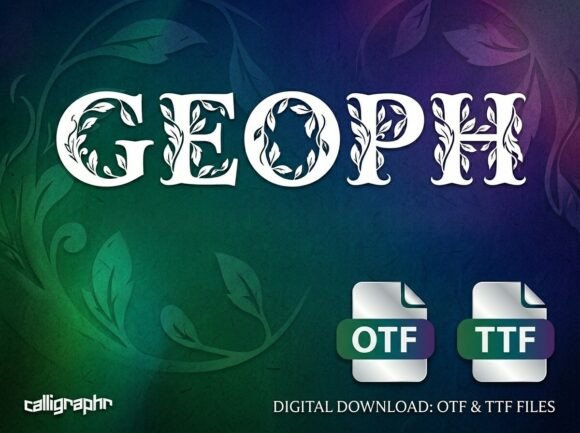
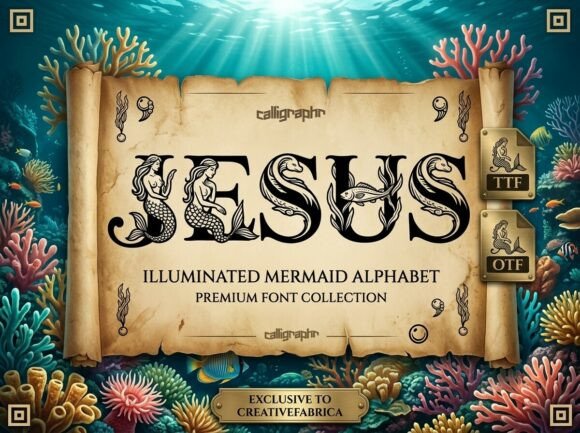
Visually, Jesus is defined by its strong, decorative personality. It’s an all-caps typeface, meaning it uses uppercase letters exclusively, designed for settings where uniformity and strength are key. Each letterform features unique artistic elements—think of subtle curves, bold strokes, or intricate details that give it a distinct, handcrafted feel. The overall style balances a raw, expressive energy with a surprisingly polished finish. It avoids feeling chaotic; instead, it presents a controlled confidence. This isn't a clean sans serif or a traditional serif font. It sits in its own category: a modern decorative display typeface that feels both contemporary and timeless in its boldness.
Where This Typeface Truly Shines
The real value of a font like Jesus lies in its specific applications. Its all-caps, high-impact nature makes it a strategic tool, not a universal one. You wouldn’t set a body of text with it, but for the right job, it’s transformative.
In logo design and brand identity, Jesus can become the cornerstone of a brand’s visual personality. It’s ideal for lifestyle brands, boutique studios, artisan products, or any venture that wants to project creativity and confidence. Think of a craft brewery label, a fashion boutique’s wordmark, or a creative agency’s branding. The font’s inherent artistry helps a brand stand apart in a crowded marketplace, fostering instant recognition.
For editorial and publishing design, it’s perfect for chapter titles, magazine mastheads, or pull quotes that need to leap off the page. In packaging design, it can elevate a product’s shelf appeal, making the name itself a decorative element. In the digital realm, it excels in hero sections of websites, app splash screens, and as standout text in video intros. For social media, it creates thumb-stopping graphics for announcements, quotes, or sale promotions where brevity and visual punch are everything.
The Influence on Perception and Hierarchy
Choosing a display font is a strategic decision that influences how your audience perceives your message. Jesus, by its nature, establishes a very clear visual hierarchy. When used for a headline, it immediately tells the viewer, “This is the most important thing here.” Its decorative quality injects personality and emotion into the layout, which can significantly boost audience engagement. A generic headline might be skipped; a headline set in a font with this much character invites curiosity.
This directly impacts brand perception. Consistently using a distinctive typeface like Jesus across touchpoints—from your website header to your packaging to your Instagram stories—builds a cohesive and memorable brand identity. It signals that you pay attention to detail and value creative expression. The professionalism comes not from the font being neutral, but from its intentional and consistent application. It shows a level of curation that audiences, especially in design-savvy markets, respect and recognize.
A Practical Guide to Using Jesus Effectively
Integrating a powerful display font into your workflow requires thoughtful consideration. Here’s how to approach it:
- Evaluate the Project Fit: Ask yourself: Does this project need to make a bold statement? Is the primary goal to capture attention and convey a specific, artistic mood? If you’re designing a legal document or a technical manual, this isn’t your font. But for a wedding invitation, a concert poster, or a brand manifesto, it’s a perfect candidate.
- Master Font Pairing: Jesus will dominate any layout, so its partner must play a supporting role. The classic strategy is to pair a strong display font with a highly legible, neutral sans serif font or a clean serif font for body text. For example, use Jesus for a headline and pair it with a font like Montserrat or Lora for paragraphs. The contrast creates balance and ensures readability. Avoid pairing it with another decorative, script, or handwritten font, as this creates visual competition and clutter.
- Understand the Included Assets: When you acquire Jesus, you receive OTF and TTF files. The OTF (OpenType Font) is the professional standard, offering more advanced typographic features and smoother performance in design software like Adobe Creative Suite. The TTF (TrueType Font) ensures universal compatibility across all operating systems and devices, which is crucial for projects where the font will be installed on multiple computers or used in certain software environments. Having both gives you flexibility.
- Test for Readability in Context: Because it’s an all-caps display font, readability is about context, not reading speed. Test it at the size and in the environment where it will be used. Is it clear on a mobile screen? Does it hold up in a printed poster? Adjust letter-spacing (tracking) slightly if needed to improve clarity without losing its compact, impactful nature.
- Clarify the Licensing: For any commercial project—whether you’re a freelance designer creating a logo for a client, a business owner using it on your products, or a publisher putting it on a book cover—ensure the font license covers your intended use. Most premium fonts like Jesus are licensed for commercial use, but it’s always your responsibility to verify the terms before purchase.
In the end, Jesus is more than just a set of letters. It’s a design asset with a strong point of view. It’s for the creator who wants to break away from the ordinary and use typography as a central element of their visual storytelling. When used with intention, it doesn’t just display words—it amplifies them.
Jesus Font: A Bold Statement for Modern Designers
Finding a typeface that truly stands out in a sea of minimalist sans-serifs and elegant serifs can be a challenge. For projects that demand a voice of their own, a character-driven display font is essential. This is where Jesus enters the conversation. It’s not just another typeface; it’s a design tool built for impact, personality, and creative expression. Designed to be the visual centerpiece, it offers a unique artistic flair for those ready to move beyond the ordinary.
Understanding Its Distinct Character and Style
Jesus is a premium display font with a strong, decorative personality. Its visual appeal lies in its carefully crafted letterforms, each one designed as a small work of art. The style leans into a modern typography aesthetic that balances expressive details with a polished, professional finish. It’s not a script or handwritten font, nor is it a traditional serif or sans serif. It occupies its own space as a creative font with a confident, artistic presence.
A critical detail for any designer or creator is its format: Jesus is an all-caps typeface. This means it contains only uppercase letters, a deliberate choice that amplifies its high-impact nature. This characteristic makes it specifically engineered for headlines, logos, and decorative initials where uniform strength and visual rhythm are paramount. It’s a typeface that doesn’t whisper; it speaks with authority.
Practical Applications Across Creative Fields
The true value of a font like Jesus is realized in its application. Its versatility allows it to serve various projects, each benefiting from its unique flair.
- Logo Design & Brand Identity: This is where Jesus can truly excel. For brands seeking a memorable and artistic wordmark, it provides instant character. Think boutique agencies, artisan product lines, creative studios, or lifestyle brands. It helps build a brand identity that feels curated and distinctive, fostering strong audience recognition.
- Editorial & Packaging Design: In publishing, it’s perfect for chapter titles, magazine cover lines, or pull quotes that need to grab a reader’s eye. In packaging design, it can elevate a product’s shelf appeal, making the brand name itself a decorative element that conveys quality and creativity.
- Digital & Social Media Graphics: The font’s boldness translates perfectly to screen-based media. Use it for hero section headlines on websites, impactful social media post graphics, video thumbnails, or app splash screens. In the fast-scrolling world of social media, a strong display font is key to stopping the scroll.
- Personal & Commercial Projects: From wedding invitations and event posters to merchandise and crafting projects, Jesus offers a professional-grade tool for hobbyists and small business owners alike. Its commercial font license makes it a valuable asset for entrepreneurs creating marketing materials or product labels.
Guidance for Strategic Implementation
Integrating a display font requires a thoughtful approach to maintain balance and effectiveness. Here’s how to work with Jesus successfully.
- Prioritize Font Pairing: A font this expressive needs a supporting cast. The most successful pairings are with neutral, highly legible typefaces. A clean sans serif font for body text or a simple serif font for subheadings creates a harmonious hierarchy. Avoid pairing it with other decorative, script, or handwritten fonts, as this often leads to visual clutter. Let Jesus be the star of the show.
- Test for Context and Readability: While designed for impact, always test the font in its intended environment. Check its clarity on a mobile screen, in a printed brochure, or on a product label. Adjusting the letter-spacing (tracking) slightly can sometimes improve readability without sacrificing its compact, powerful stance.
- Understand the Deliverables: You’ll receive both OTF and TTF files. The OTF (OpenType Font) is the professional standard, offering advanced typographic features ideal for design software like Adobe Illustrator or InDesign. The TTF (TrueType Font) ensures universal compatibility across all operating systems and devices, which is crucial for projects involving multiple stakeholders or certain software.
- Clarify Licensing for Commercial Use: For any project intended for commercial gain—whether you’re a freelance designer delivering to a client, a business owner using it on products, or a publisher on a book cover—ensure the license permits your use. Most premium fonts like Jesus are sold with commercial licenses, but reviewing the terms is a professional best practice.
Ultimately, Jesus is more than a set of characters; it’s a strategic design asset. It’s for the creator who views typography not just as a way to present words, but as a fundamental component of visual storytelling and brand perception. When used with intention, it transforms ordinary text into a memorable visual statement.